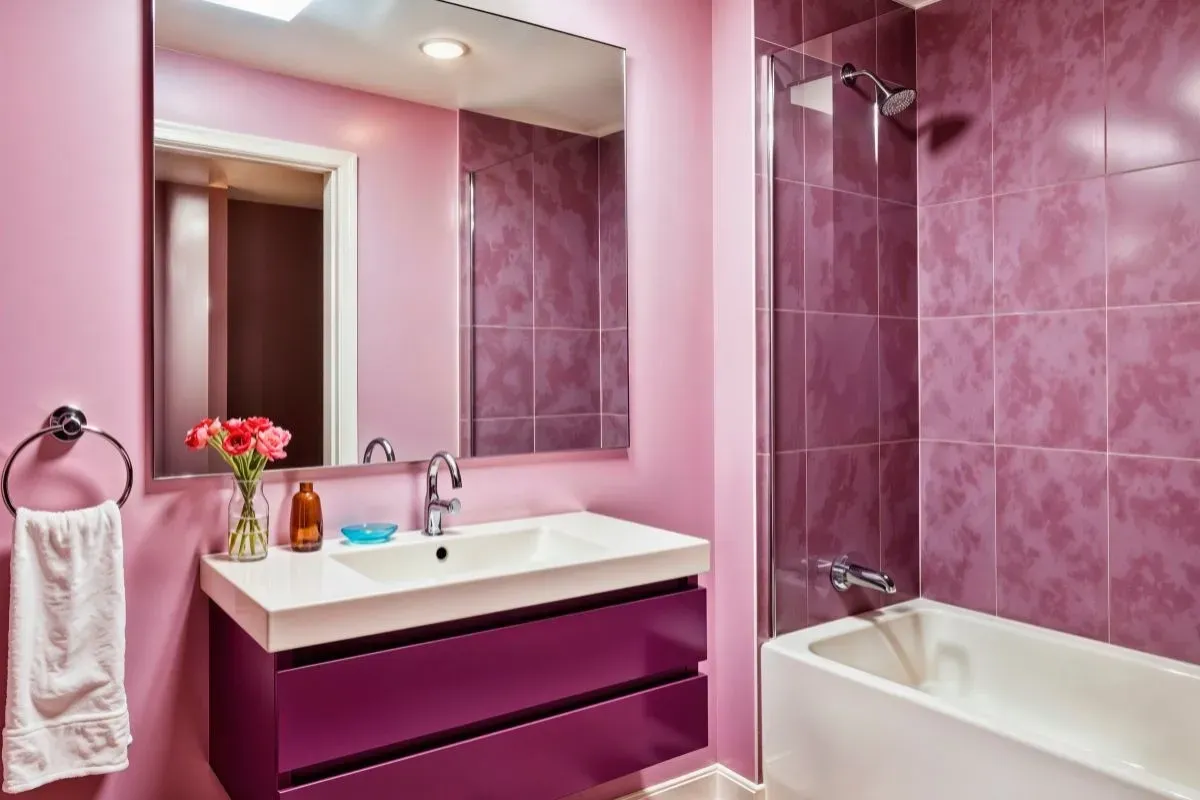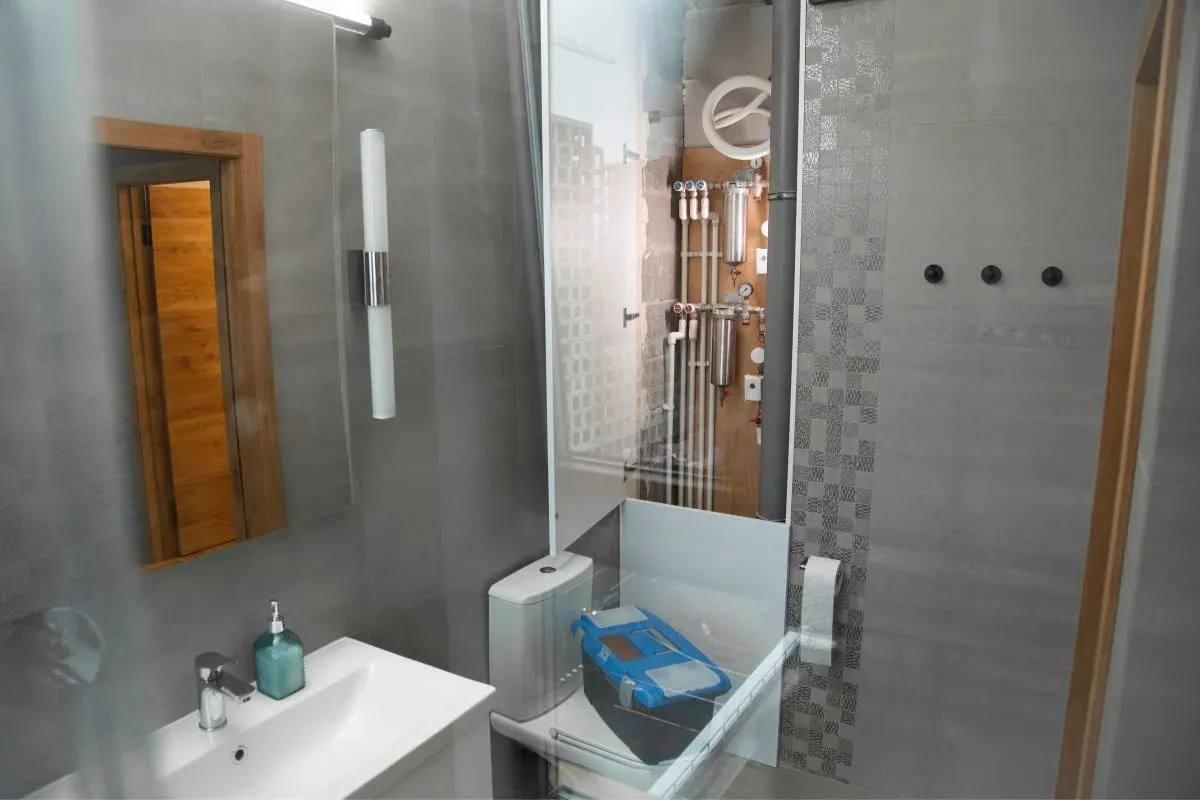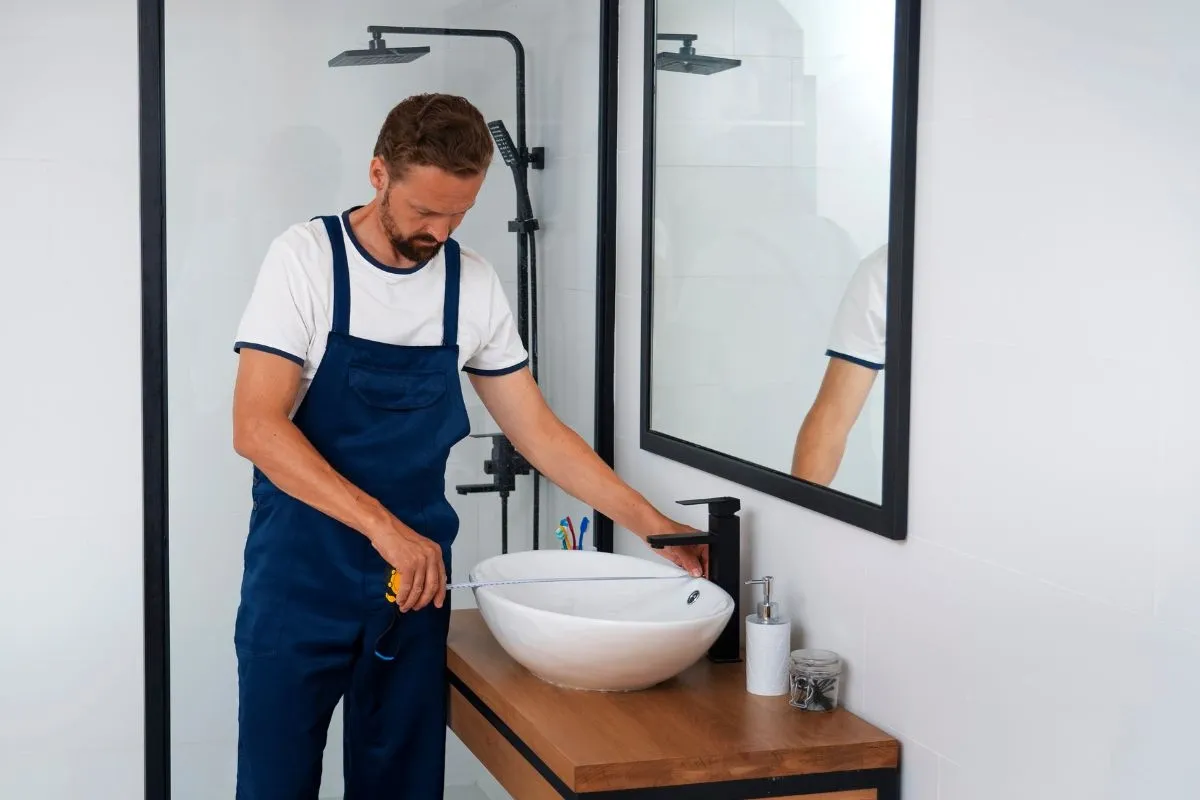

Bathroom Remodeling Cost Factors: Key Expenses Explained
Planning a bathroom remodel involves more than choosing new tile, a vanity, or a shower. The total investment can change significantly depending on the size of the bathroom, the condition of the existing space, plumbing and electrical work, materials, layout changes, and the complexity of the installation.
Understanding the bathroom remodeling cost factors before construction begins can help you make better decisions, prioritize the features that matter most, and avoid unexpected expenses.
Two bathrooms of similar size can have very different remodeling costs because one may only need updated finishes. At the same time, the other requires plumbing changes, electrical upgrades, waterproofing repairs, or structural work.
Quick Answer: What Affects Bathroom Remodeling Costs the Most?
The biggest factors affecting bathroom remodeling expenses are the bathroom's size, layout changes, plumbing relocation, electrical work, materials and fixtures, waterproofing, cabinetry, labor complexity, accessibility upgrades, and hidden problems discovered during demolition.
Keeping the existing layout and plumbing locations can often simplify a project. Extensive changes, custom materials, difficult access, structural repairs, or upgrades behind the walls can increase the complexity of the renovation.
Before starting, create a detailed remodeling plan and determine which improvements are essential, which are optional, and which existing conditions need to be corrected.
What Are the Main Bathroom Remodeling Cost Factors?

A bathroom renovation is made up of many individual components. The final cost depends on how many of these components you change and how complicated the work becomes.
The most important bathroom renovation cost factors include:
- Bathroom size
- Existing bathroom condition
- Layout changes
- Plumbing relocation
- Electrical upgrades
- Shower or bathtub changes
- Tile and flooring
- Vanity and cabinetry
- Countertops
- Fixtures
- Lighting
- Ventilation
- Waterproofing
- Accessibility features
- Customization
- Labor and installation complexity
- Structural repairs
- Hidden problems
Let's look at each factor in more detail.
1. Bathroom Size
The size of your bathroom can influence the amount of material and labor required.
A larger bathroom may require more:
- Flooring
- Wall tile
- Shower tile
- Paint
- Cabinetry
- Countertop material
- Lighting
- Fixtures
However, size is not the only factor.
A small bathroom can still become a complex remodeling project if the homeowner wants to move plumbing, enlarge the shower, modify walls, or install custom features.
In other words, a smaller bathroom does not automatically mean a simple or inexpensive renovation.
2. The Existing Condition of the Bathroom
The condition of your existing bathroom can have a major impact on the renovation.
A bathroom that has been properly maintained may mainly need updated finishes and fixtures.
An older bathroom may have problems such as:
- Water damage
- Deteriorated subflooring
- Plumbing problems
- Damaged drywall
- Poor ventilation
- Mold or mildew
- Outdated electrical components
- Improper previous installations
- Damaged framing
Some of these problems may not become visible until old finishes are removed.
This is why it is important to leave some flexibility in your remodeling plan for unexpected conditions.
3. Changing the Bathroom Layout
One of the biggest factors that can increase bathroom remodeling complexity is changing the existing layout.
For example, keeping the:
- Toilet
- Shower
- Bathtub
- Vanity
in their existing locations may allow some systems to remain where they are.
Moving these fixtures can require additional work.
You may need to modify:
- Water supply lines
- Drainage
- Venting
- Electrical wiring
- Flooring
- Walls
- Framing
If you change the layout, keeping fixtures on one plumbing wall limits new drain and supply work.
Before changing the layout, ask:
Will the new arrangement actually improve the way the bathroom works?
A beautiful bathroom with an inefficient layout may not be a good renovation.
4. Moving Plumbing
Plumbing relocation is another major bathroom renovation cost factor. Moving a toilet, shower, bathtub, or sink means putting in new water, drain, and vent pipes behind walls and under the floor.
How much work and money it takes depends on how far you move the fixtures, your floor type, and how easy the pipes are to reach. If your current layout is fine, keeping the plumbing in place will save you a lot of money.
But if the setup does not work well, remodel without moving plumbing is usually worth the extra cost because it makes your bathroom much easier to use.
The difficulty depends on factors such as:
- Existing plumbing location
- Floor construction
- Access to pipes
- Drainage requirements
- Distance from existing connections
- Wall and floor conditions
If the existing layout works well, keeping plumbing locations can sometimes simplify the renovation.
If the layout is inefficient, however, relocating plumbing may be worthwhile because the improvement can make the bathroom significantly more functional.
5. Shower or Bathtub Changes
The shower or bathtub is often one of the most important parts of a bathroom remodel.
Your project may involve:
- Replacing a bathtub
- Installing a new shower
- Converting a tub to a shower
- Installing a walk-in shower
- Installing a larger shower
- Adding a bench
- Adding a shower niche
- Installing multiple shower fixtures
- Creating a curbless shower
Each option has different installation requirements.
A basic replacement may be relatively straightforward, while a custom shower can involve additional waterproofing, drainage, tile installation, framing, plumbing, and finishing work.
The more customized the shower design becomes, the more important detailed planning becomes.
6. Tile Selection and Installation
Tile can dramatically change the appearance of a bathroom, but the material itself is only part of the consideration.
Bathroom tile costs can be affected by:
- Tile material
- Tile size
- Tile pattern
- Number of cuts
- Installation complexity
- Wall preparation
- Waterproofing requirements
- Grout type
- Specialty designs
Large-format tile may create a clean, modern appearance, while intricate patterns can require more detailed installation.
A homeowner should also consider where tile is being installed.
There is a difference between:
- Shower wall tile
- Shower floor tile
- Bathroom floor tile
- Accent tile
- Full-height wall tile
The installation requirements and amount of preparation can vary considerably.
7. Waterproofing
Waterproofing is one area where homeowners should avoid focusing only on appearance.
A bathroom can have beautiful tile and fixtures, but the areas behind those finishes still need to be properly protected from moisture.
Waterproofing considerations can include:
- Shower walls
- Shower floors
- Corners
- Seams
- Niches
- Tub surrounds
- Transitions
- Drain connections
Improper waterproofing can contribute to moisture intrusion and damage behind finished surfaces.
For this reason, waterproofing should be considered part of the bathroom's construction system rather than simply another finish.
8. Vanity and Cabinetry
Bathroom storage can range from a simple vanity to custom cabinetry.
Your choices may include:
- Stock vanity
- Semi-custom vanity
- Custom cabinetry
- Single vanity
- Double vanity
- Wall-mounted vanity
- Freestanding vanity
Cost and complexity can change depending on:
- Size
- Construction
- Materials
- Hardware
- Storage configuration
- Customization
- Installation requirements
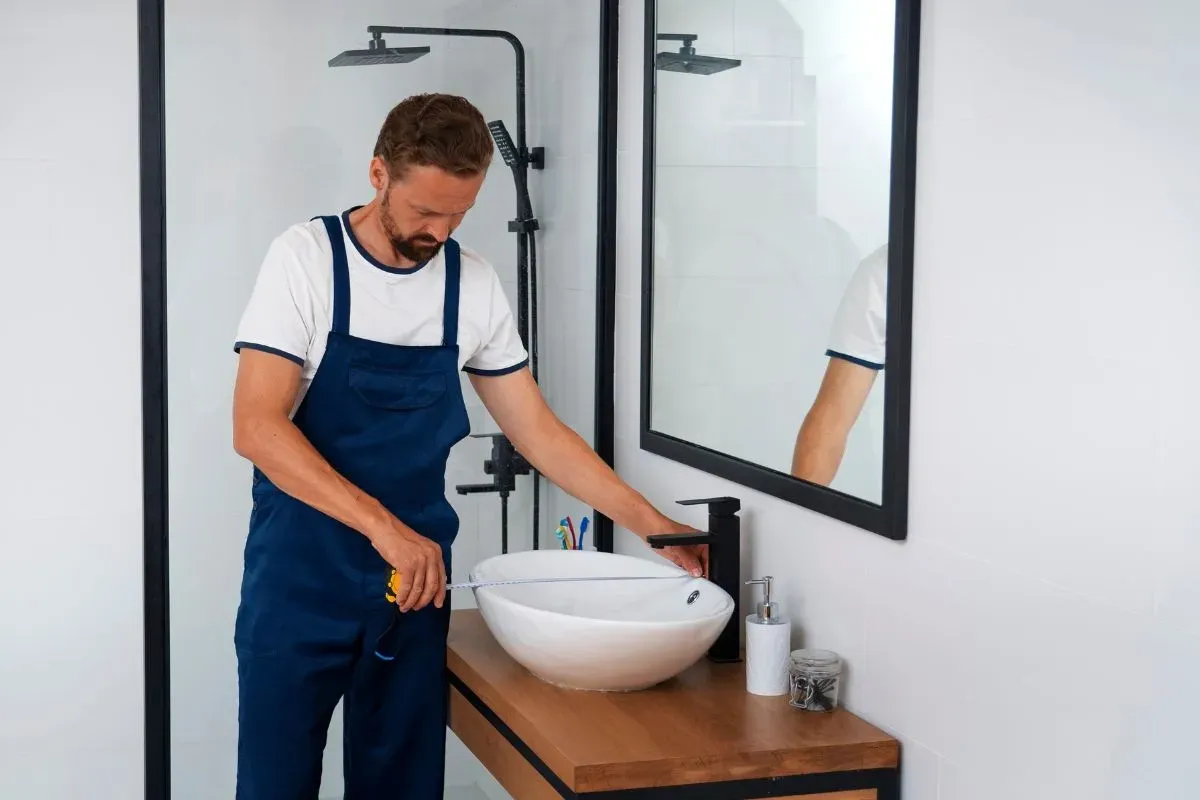
Before selecting a vanity, measure the bathroom carefully.
A vanity that looks excellent in a showroom may overwhelm a smaller bathroom.
9. Countertop Material
The countertop is another factor to consider.
Popular bathroom countertop materials include:
- Quartz
- Granite
- Marble
- Solid surface
- Laminate
- Other engineered materials
The overall expense can depend on:
- Material selection
- Countertop size
- Edge treatment
- Cutouts
- Number of sinks
- Backsplash
- Installation requirements
If you are installing a double vanity, the countertop requirements may be different from those of a compact single vanity.
10. Bathroom Fixtures
Fixtures include components such as:
- Faucets
- Showerheads
- Tub fillers
- Toilets
- Sinks
- Drains
- Hardware
There is a wide range of options at different quality levels.
Instead of choosing every fixture based solely on appearance, consider:
- Durability
- Functionality
- Water efficiency
- Ease of maintenance
- Compatibility with the bathroom design
- Long-term availability of replacement parts
A bathroom is used frequently, so fixture quality can matter long after the renovation is complete.
11. Electrical Work and Lighting
Electrical work can become an important part of a bathroom renovation.
You may want to add or upgrade:
- Vanity lighting
- Ceiling lighting
- Shower lighting where appropriate
- Exhaust fans
- Outlets
- Heated features
- Mirrors with integrated lighting
Older bathrooms may also require electrical improvements to accommodate a modern remodeling plan.
Electrical work should be properly planned rather than added as an afterthought.
Think about where you will need power for:
- Hair dryers
- Electric shavers
- Styling tools
- Bathroom appliances
- Heated mirrors
- Other devices
Good lighting is equally important.
A bathroom generally benefits from a combination of functional and ambient lighting rather than relying on one ceiling fixture.
12. Bathroom Ventilation
Ventilation is easy to overlook because it is not usually the first feature homeowners notice.
However, bathrooms produce substantial moisture.
Proper ventilation can help manage humidity and reduce the conditions that contribute to moisture-related problems.
During a remodel, consider:
- Exhaust fan capacity
- Fan location
- Duct routing
- Vent termination
- Noise level
- Moisture management
If the existing ventilation system is inadequate, upgrading it during the renovation may be worthwhile.
13. Accessibility and Aging-in-Place Features
Some homeowners remodel for immediate needs. Others want their bathroom to remain practical for many years.
Accessibility features can include:
- Curbless showers
- Grab-bar reinforcement
- Wider shower entrances
- Shower seating
- Handheld showerheads
- Comfortable fixture heights
- Improved lighting
- Slip-resistant flooring
Adding these features during a planned remodel can be easier than attempting to retrofit them later.
The right solution depends on the homeowner's current needs, plans, and bathroom layout.
14. Custom Features
Customization can make a bathroom feel unique, but custom work can also increase complexity.
Examples include:
- Custom shower niches
- Built-in shower benches
- Custom cabinetry
- Decorative tile patterns
- Specialty lighting
- Custom glass
- Unique storage solutions
- Custom countertops
Custom features require more planning and coordination than standard products.
That does not mean homeowners should avoid them.
Instead, prioritize the custom features that provide the most value to your daily routine.
15. Labor and Installation Complexity
Materials are only one part of a bathroom remodel.
Installation can involve multiple stages, including:
- Preparation
- Demolition
- Plumbing
- Electrical
- Framing
- Waterproofing
- Wall preparation
- Tile installation
- Cabinet installation
- Countertop installation
- Fixture installation
- Painting
- Final inspection and finishing
The more trades and construction steps involved, the more coordination the project requires.
This is why two bathrooms with similar material selections can still have different remodeling expenses.
16. Structural Changes
Structural work can significantly change the complexity of a renovation.
Examples may include:
- Removing a wall
- Modifying framing
- Enlarging an opening
- Repairing damaged framing
- Changing floor structure
- Correcting structural problems
Structural changes should be evaluated before work begins.
Never assume a wall is non-structural simply because it is inside the bathroom.
A professional should determine what can safely be modified.
17. Hidden Problems Behind Walls and Floors
One of the biggest uncertainties in an older bathroom is what you cannot see.
Once demolition begins, contractors may discover:
- Water damage
- Rot
- Corroded plumbing
- Damaged subfloor
- Mold or mildew
- Improper previous repairs
- Outdated wiring
- Structural deterioration
These conditions may require additional work before the new bathroom can be installed properly.
This is why the lowest initial proposal is not always the best way to compare remodeling projects.
A detailed scope of work and realistic allowance for unforeseen conditions can provide a better understanding of the project.
What Bathroom Remodeling Features Should You Prioritize?
If your remodeling budget has limits, prioritize improvements according to function, safety, durability, and long-term value.
A useful priority order can be:
First: Fix problems.
Address:
- Leaks
- Water damage
- Plumbing problems
- Structural problems
- Electrical safety issues
- Poor ventilation
- Waterproofing concerns
Second: Improve functionality
Consider:
- Better storage
- More practical layout
- Improved shower access
- Better lighting
- Easier-to-use fixtures
Third: Upgrade durability
Choose materials and fixtures that can handle regular bathroom use.
Fourth: Add design upgrades.
Once the functional components are addressed, invest in:
- Decorative tile
- Accent walls
- Custom finishes
- Specialty hardware
- Decorative lighting
This approach helps prevent homeowners from spending heavily on appearance while overlooking problems behind the finished surfaces.
What Should You Not Cut Corners on During a Bathroom Remodel?
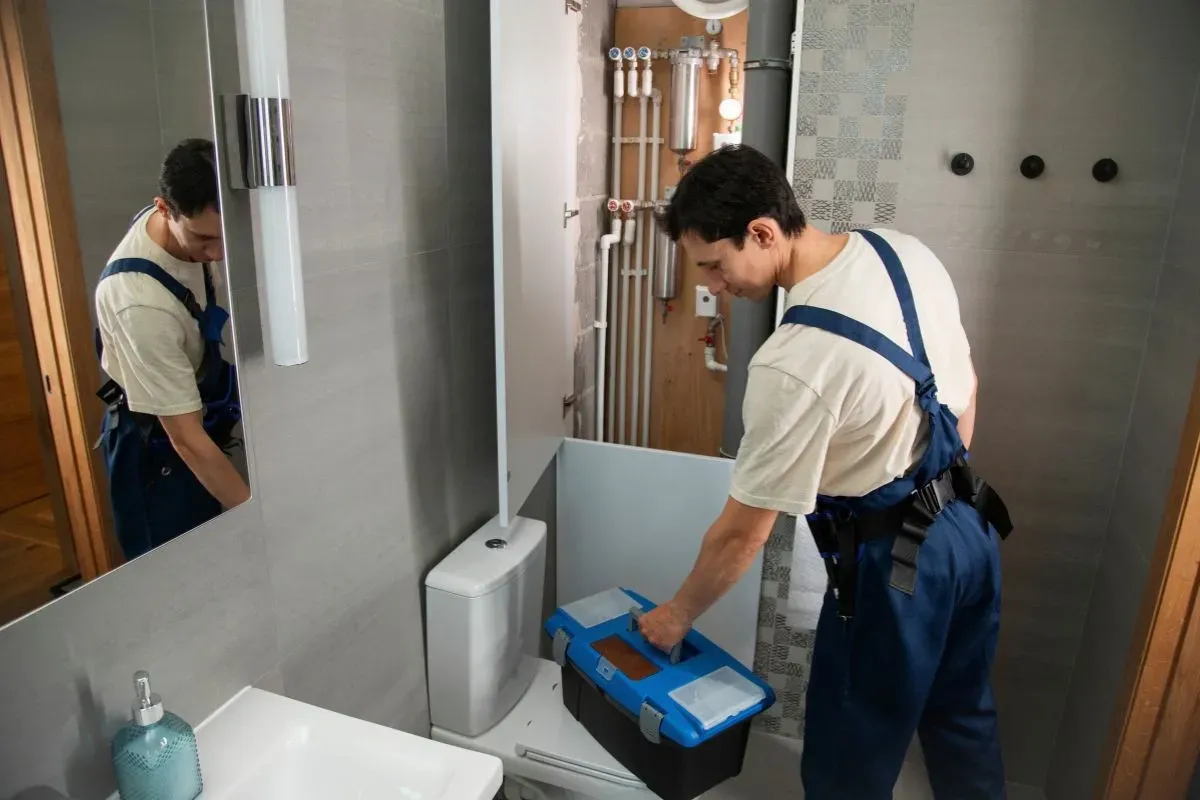
Some components deserve more attention than others.
Avoid compromising on:
Waterproofing
Water intrusion behind finished surfaces can create expensive problems.
Plumbing
Poor plumbing work can result in leaks and drainage problems.
Electrical safety
Bathroom electrical systems should be installed according to applicable requirements.
Ventilation
Inadequate ventilation can contribute to excessive moisture.
Structural repairs
Damaged framing or subflooring should be addressed before new finishes are installed.
Installation quality
Even premium materials can perform poorly when installed incorrectly.
How Can You Control Your Bathroom Remodeling Budget?
You do not necessarily need to choose the cheapest products to manage expenses.
Instead, plan the project carefully.
Keep the layout when it works.
Moving plumbing can increase complexity.
Prioritize the features you use every day.
Spend more on improvements that directly affect your daily routine.
Choose materials strategically.
You can combine premium focal-point materials with more practical selections elsewhere.
Avoid unnecessary changes.
If an existing component is functional and compatible with the new design, replacing it may not always be necessary.
Plan before demolition.
Last-minute decisions can create delays and additional work.
Get a detailed scope.
Make sure you understand what the remodeling proposal includes.
Bathroom Remodel Budget: Where Should You Spend More?
Bathroom Renovation Framework
Categorized guidelines for planning and budgeting
| Priority Level | Key Features & Scope |
|---|---|
| Essential | Plumbing
Waterproofing
Electrical Safety
Structural Repairs
Ventilation
|
| Functional | Storage
Lighting
Shower Design
Vanity
Durable Flooring
|
| Design | Decorative Tile
Specialty Fixtures
Accent Features
Custom Finishes
|
This does not mean design features are unimportant.
It simply helps ensure that the bathroom performs properly before money is allocated toward purely decorative upgrades.
Plumbing is one piece of the budget. For the full picture, see what drives bathroom remodel costs, from layout and materials to hidden damage behind the walls.
Is a More Expensive Bathroom Remodel Always Better?
No.
A successful bathroom remodel is not necessarily the one with the most expensive materials.
A better renovation balances:
- Function
- Quality
- Durability
- Design
- Comfort
- Maintenance
- Long-term needs
For example, spending more on waterproofing, plumbing, ventilation, or durable fixtures may provide more practical value than spending the same amount on decorative features that have little effect on how the bathroom functions.
Questions to Ask Before Starting a Bathroom Remodel
Before approving your remodeling plan, ask:
- What exactly is included in the scope of work?
- Will the existing plumbing stay in place?
- Does the electrical system need to be upgraded?
- Does the bathroom need better ventilation?
- Are there signs of water damage?
- What waterproofing system will be used?
- Are structural changes necessary?
- Which materials are included?
- Which features are optional?
- What happens if hidden damage is discovered?
- Who handles required permits and inspections?
- How will changes to the project be documented?
These questions can help you understand the project before construction begins.
Bathroom Remodeling Cost Factors: A Quick Checklist
Before beginning your renovation, review:
- Bathroom size
- Existing bathroom condition
- Plumbing layout
- Electrical system
- Shower or bathtub
- Tile
- Flooring
- Vanity
- Countertop
- Fixtures
- Lighting
- Ventilation
- Waterproofing
- Accessibility
- Custom features
- Structural work
- Potential hidden damage
- Permits and inspections
- Labor and installation
- Contingency for unexpected conditions
Frequently Asked Questions About Bathroom Remodeling Costs
What is the biggest factor affecting bathroom remodeling costs?
The biggest factors are the project's scope and complexity. Layout changes, plumbing relocation, structural work, electrical upgrades, custom features, materials, and hidden problems can all affect the final remodeling expense.
Does moving plumbing make a bathroom remodel more expensive?
It can. Moving a toilet, shower, bathtub, or sink may require changes to water supply and drainage systems, flooring, walls, and other components. Keeping fixtures in their existing locations can simplify some remodeling projects.
Is a small bathroom cheaper to remodel?
Not necessarily. A smaller bathroom may require fewer materials, but complex plumbing, electrical, structural, or custom work can still make the project involved. The scope of the renovation is often more important than the room's size alone.
Why can bathroom remodeling costs increase after demolition?
Demolition can reveal problems that were hidden behind walls, floors, or existing fixtures. Water damage, deteriorated subflooring, plumbing problems, mold, or structural issues may require additional work before the new bathroom can be completed properly.
How can I reduce bathroom remodeling expenses?
Keeping the existing layout, limiting unnecessary structural changes, selecting materials strategically, and planning the project carefully can help control remodeling expenses. Prioritize essential repairs, waterproofing, plumbing, electrical work, and functionality before adding optional design features.
Final Thoughts on Bathroom Remodeling Cost Factors
The cost of a bathroom renovation is influenced by much more than the size of the room or the products you choose.
Bathroom remodeling cost factors include the existing condition of the space, layout changes, plumbing, electrical work, waterproofing, ventilation, materials, fixtures, cabinetry, accessibility features, structural work, customization, labor, and unexpected conditions.
The best way to approach a renovation is to plan around how you actually use your bathroom.
Start with problems that need to be corrected. Then improve functionality, durability, comfort, and finally the design details that make the space feel like your own.
If you are planning a bathroom remodel in the Loganville or Northeast Atlanta area, PHD Bathroom Remodeling can help you evaluate the existing space and plan a renovation around your home's needs, functionality, and design goals.
Call PHD Bathroom Remodeling at 844-743-2284 to discuss your bathroom remodeling project.