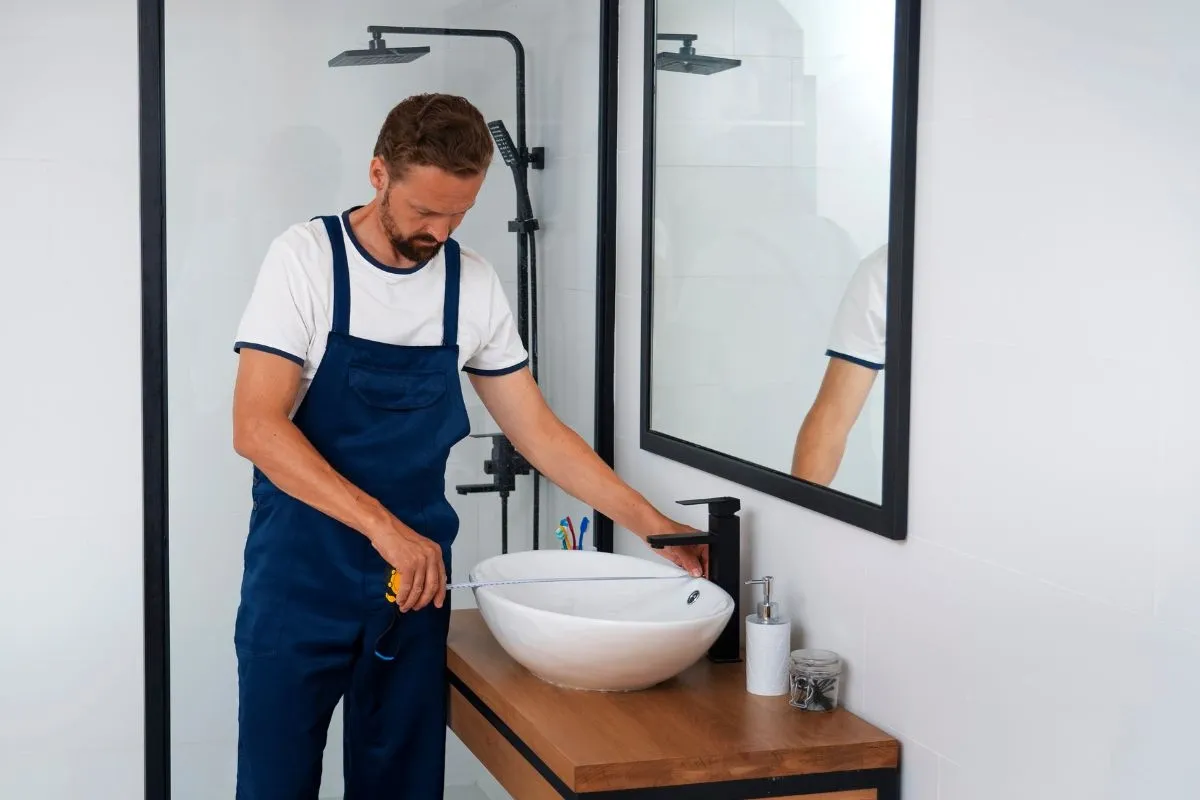

Walk-In Shower vs Bathtub: Which Should You Keep?
If you are planning a bathroom remodel, one question keeps coming up: should you keep the bathtub or replace it with a walk-in shower? It sounds simple, but this decision affects your daily comfort, your home's resale value, and your overall remodeling budget.
There is no single right answer. The best choice depends on how you actually use your bathroom, who lives in your home, and what your goals are. This guide breaks down the walk-in shower vs bathtub decision clearly so you can make an informed choice before work begins.
What Is the Short Answer: Walk-In Shower or Bathtub?
For most homeowners remodeling a primary bathroom, a walk-in shower is the better everyday upgrade. It improves accessibility, opens up the space, and reduces maintenance. If you have children or this is the only bathroom with a tub in your home, keeping the bathtub makes more strategic sense.
The smartest approach for many homes: install a walk-in shower in the primary bathroom and keep at least one bathtub elsewhere in the house.
Walk-In Shower vs. Bathtub: Side-by-Side Comparison
Source: Remodeling 2025 Cost vs Value Report; National Association of Realtors
Why Are Walk-In Showers More Popular in 2026?
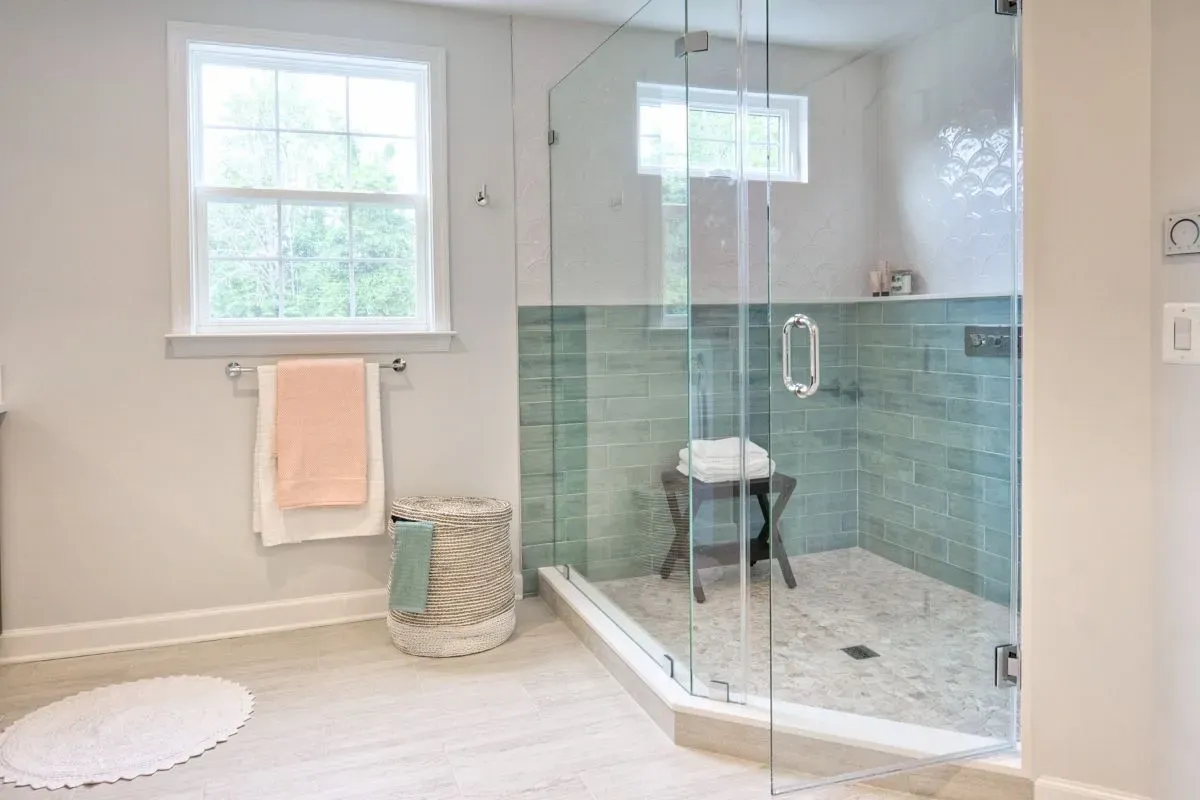
Walk-in shower installation requests have grown steadily over the past several years. There are clear reasons for this trend.
- More accessible: Curbless or low-threshold showers eliminate trip hazards. This matters for aging-in-place planning and anyone with mobility limitations.
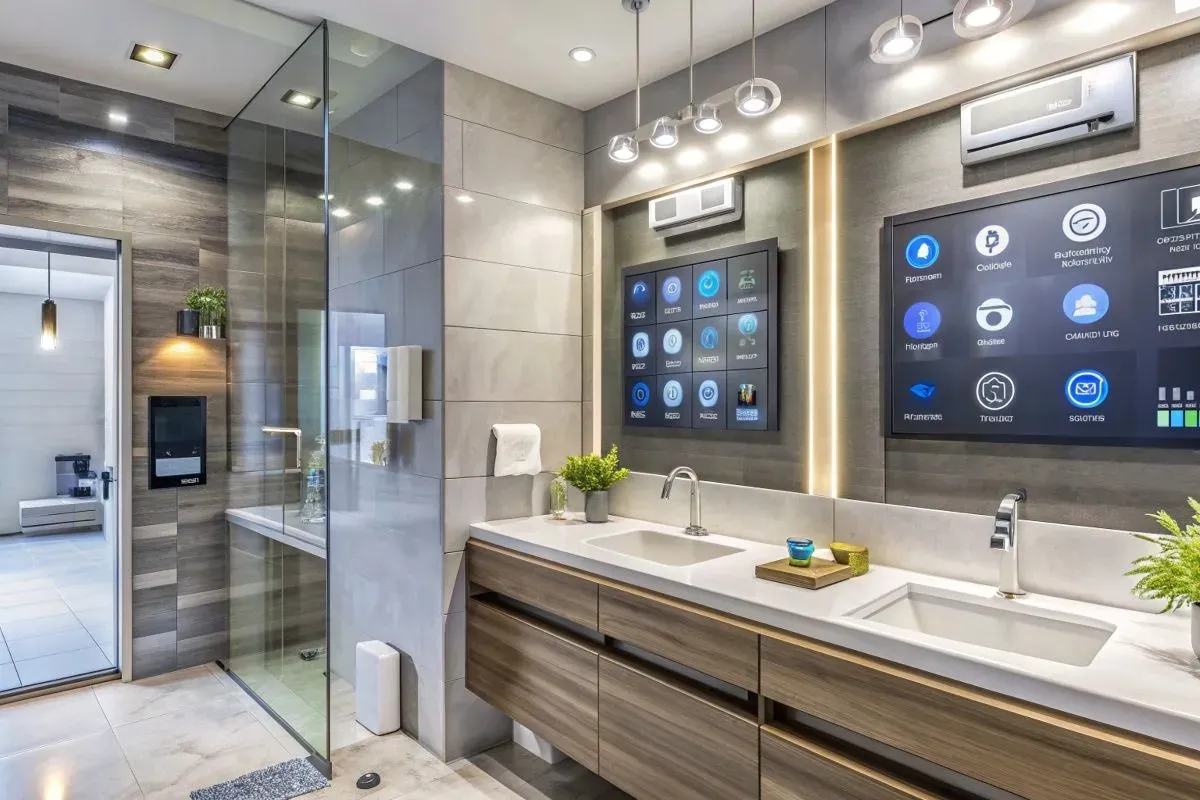
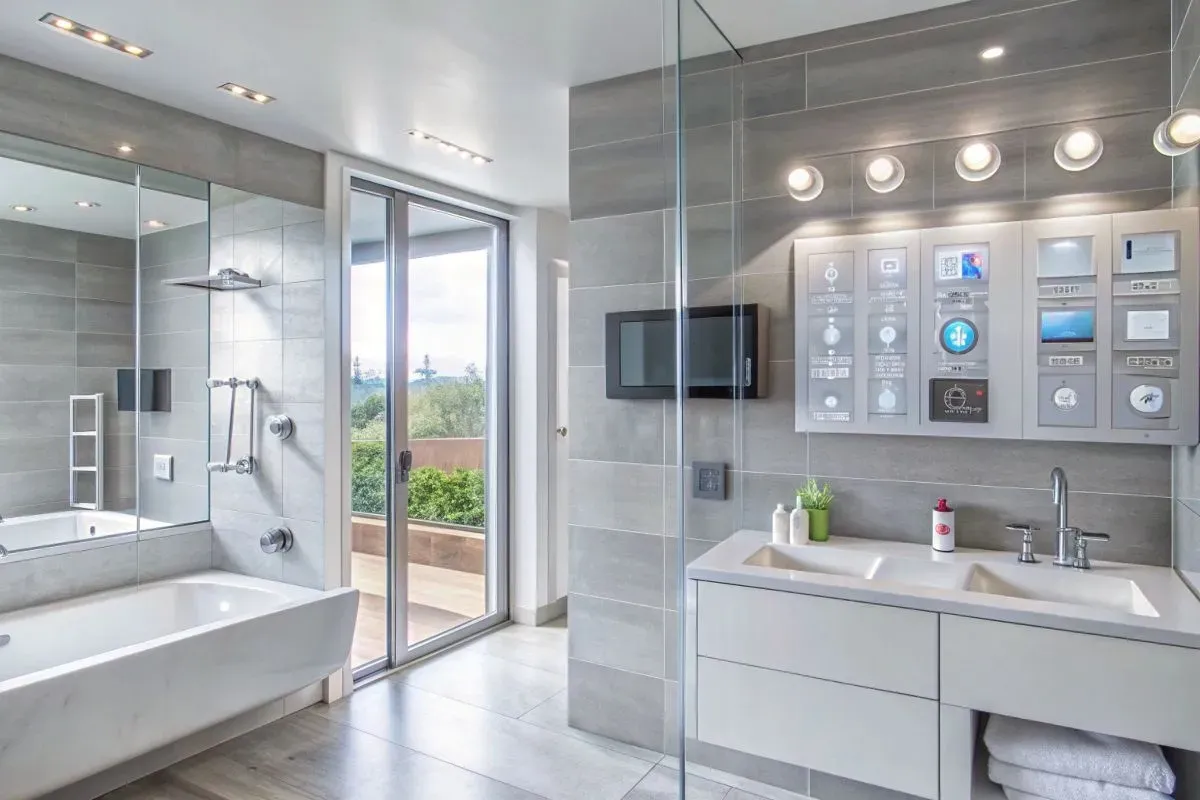
- Visually larger: Removing a bulky tub and replacing it with a frameless glass shower makes even small bathrooms feel more open.
- Easier to maintain: Fewer seams, less grout, and simpler surfaces mean less time cleaning.
- Modern aesthetic: Large-format tile, rainfall showerheads, and frameless glass create a spa-like look that buyers notice.
- Flexible design: Custom walk-in shower installation allows for built-in benches, niches, handheld wands, and body sprays.
According to the NKBA 2026 Bath Trends Report, 89 percent of remodeling professionals see growing demand for larger, open shower spaces with minimal or no grout lines.
When Should You Keep the Bathtub?
A bathtub is not outdated. In certain situations, keeping it is the smarter move.
- You have young children: Bathing small children in a shower is not practical. Families with kids under 10 almost always need at least one tub.
- It is your only tub: Real estate experts consistently advise keeping at least one bathtub in the home for resale flexibility. Removing the only tub can reduce buyer appeal, especially in family-sized homes.
- You enjoy baths regularly: If someone in your household uses the tub several times a week, replacing it makes little sense.
- Your home has 3 or more bedrooms: Buyers expect a bathtub somewhere in homes of this size. Removing all tubs in a family home can affect your sale.
The 2025 Houzz Bathroom Trends Study found that tub-to-shower conversions are most common in primary bathrooms and least common in guest or family bathrooms where a tub is still expected.
Does Removing a Bathtub Hurt Resale Value in Georgia?
This is one of the most common questions homeowners ask before a tub removal and shower installation project. The answer depends on your home.
If your home has multiple bathrooms and at least one tub remains, converting a primary bath to a walk-in shower typically increases value. A large, well-designed walk-in shower is one of the top features buyers look for in primary bathrooms, especially in homes priced above $500,000.
If the tub you plan to remove is the only one in the house, you risk shrinking your buyer pool. Families with young children and some buyers have firm expectations about tub availability.
Key data point: Tub-to-shower conversions return approximately 60 percent ROI nationally, according to the National Association of Realtors. Walk-in showers in primary baths consistently score high in buyer preference surveys.
How Much Does a Tub to Shower Conversion Cost?
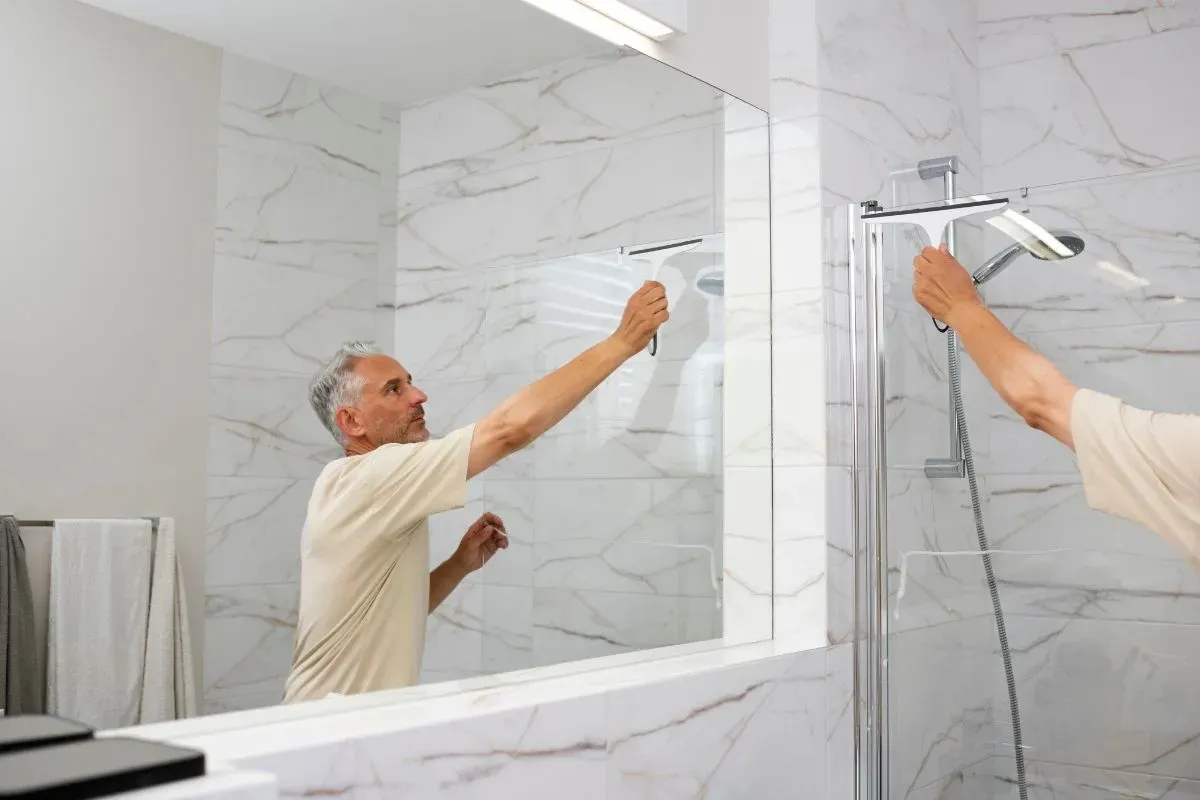
Walk-in shower remodel cost in 2026 varies based on size, materials, and whether plumbing needs to be relocated. Here is a general cost range:
Note: Plumbing relocation can add $2,000 to $5,000 to the total cost. Always get a detailed estimate before committing to a scope.
How PHD Bathroom Remodeling Helps Homeowners in Loganville, GA
PHD Bathroom Remodeling has served homeowners across Loganville, Walton County, Gwinnett County, and the greater Northeast Atlanta area. The team specializes in full bathroom remodels, custom walk-in shower installation, tub removal and shower installation, frameless glass shower installation, and luxury tile remodeling.
Every project comes with a comprehensive 10-year warranty on installation and materials. PHD works closely with homeowners to choose the right layout, materials, and fixtures for their budget and lifestyle. Financing options are also available for qualifying projects.
If you are weighing a walk-in shower vs bathtub decision and need a professional opinion based on your specific bathroom, PHD Bathroom Remodeling offers free consultations for homeowners in Loganville, GA and surrounding areas.
Key Takeaways
- Walk-in showers are the preferred upgrade in primary bathrooms for accessibility, aesthetics, and daily function.
- Keep at least one bathtub in your home, especially if you have young children or plan to sell within a few years.
- Tub-to-shower conversion costs range from $6,000 to $12,000 for standard projects in 2026.
- Removing the only bathtub in a home can reduce buyer appeal in family-sized properties.
- A curbless shower installation is the top choice for aging-in-place planning and long-term accessibility.
Ready to Decide? Talk to a Local Expert.
The walk-in shower vs bathtub question is easier to answer when you look at your specific home, your family, and your goals. There is no universal rule. What works in a 4-bedroom home differs from what makes sense in a two-bathroom condo.
PHD Bathroom Remodeling serves homeowners across Loganville, GA, Monroe, Buford, Suwanee, Gainesville, and the surrounding area. Call 844-743-2284 or visit phdbathroomremodeling.com to schedule your free consultation and get a personalized recommendation.
Frequently Asked Questions
Is it bad to remove the only bathtub in your house?
Yes, it can affect your home's appeal to buyers. If you have a family-sized home with 3 or more bedrooms, real estate professionals recommend keeping at least one tub. Buyers with young children or those who prefer baths may skip your home entirely if no tub is available. If you plan to stay long-term and rarely use the tub, it matters less.
Does a walk-in shower add more value than a bathtub?
In a primary bathroom, yes. A well-designed walk-in shower with quality tile, a frameless glass enclosure, and modern fixtures is consistently ranked among the top upgrades buyers value. However, a walk-in shower in a bathroom that already lacks a tub elsewhere in the home may reduce overall buyer appeal.
How long does a tub to shower conversion take?
Most tub to shower conversion projects take 2 to 5 days depending on scope. A standard conversion without plumbing relocation often completes in 2 to 3 days. Full custom walk-in shower builds with tile work and glass enclosures take 4 to 7 days.
What is the average tub to shower conversion cost in Georgia?
In Georgia, tub to shower conversion costs typically range from $6,000 to $12,000 for a standard project. Custom builds, frameless glass installations, and plumbing relocation push the cost higher. PHD Bathroom Remodeling provides free on-site estimates for homeowners in Loganville and the surrounding area.
What is a curbless shower and why is it recommended?
A curbless shower, also called a barrier-free or zero-threshold shower, has no raised entry curb. You walk straight in from the bathroom floor. It is the top recommendation for aging-in-place planning because it eliminates the step-over risk, accommodates walkers and wheelchairs, and makes the bathroom safer for all ages. It also creates a clean, modern look.