
Bathroom Remodel Value: Upgrades That Pay Off
The upgrades with the highest bathroom remodel ROI aren't usually the flashiest ones. Fixtures, lighting, tile, and a modern vanity consistently return more value per dollar than luxury add-ons like heated floors or a freestanding soaker tub. According to industry Cost vs. Value data, mid-range bathroom remodels typically recoup somewhere in the 65–80% range at resale, while high-end luxury remodels often return less, closer to 36–55%, because premium finishes appeal to a smaller pool of buyers.
At PHD Bathroom Remodeling, we help homeowners tell the difference between upgrades that pay for themselves and upgrades that are really just personal preference. Here's what actually moves the needle.
Bathroom Remodel ROI: What the Data Shows
Return on investment (ROI) in remodeling means the percentage of what you spend that comes back as added home value at resale. Cost vs. Value reports from the remodeling industry consistently show the same pattern: smaller, functional upgrades return a higher percentage than large, high-end renovations.
- Minor/cosmetic updates (new vanity, fixtures, lighting, paint, re-caulking): roughly 60–90% ROI
- Mid-range full remodels (new tile, updated plumbing fixtures, quality cabinetry, no layout change): roughly 65–80% ROI
- Upscale/luxury remodels (custom finishes, layout changes, high-end materials): roughly 36–55% ROI
The pattern holds across almost every report: refreshing what's there tends to outperform gutting and rebuilding, at least when resale value is the goal.
Bathroom Upgrades That Add the Most Value
1. Updated Fixtures
New faucets, showerheads, towel bars, and cabinet hardware in a consistent modern finish (matte black, brushed nickel, brushed gold) are one of the cheapest ways to signal an updated bathroom. Because the cost is low, the percentage return is often among the highest of any single upgrade.
2. Vanity & Storage
A dated vanity is one of the first things buyers notice. A new vanity with updated counters and better storage modernizes the whole room without requiring any layout or plumbing changes, keeping costs (and disruption) low relative to the visual impact.
3. Tile & Flooring
Fresh tile, especially neutral, timeless choices rather than bold or trendy patterns, reads as "move-in ready" to buyers. Water-resistant flooring also signals the bathroom has been properly maintained, which matters more to buyers than people expect.
4. Lighting
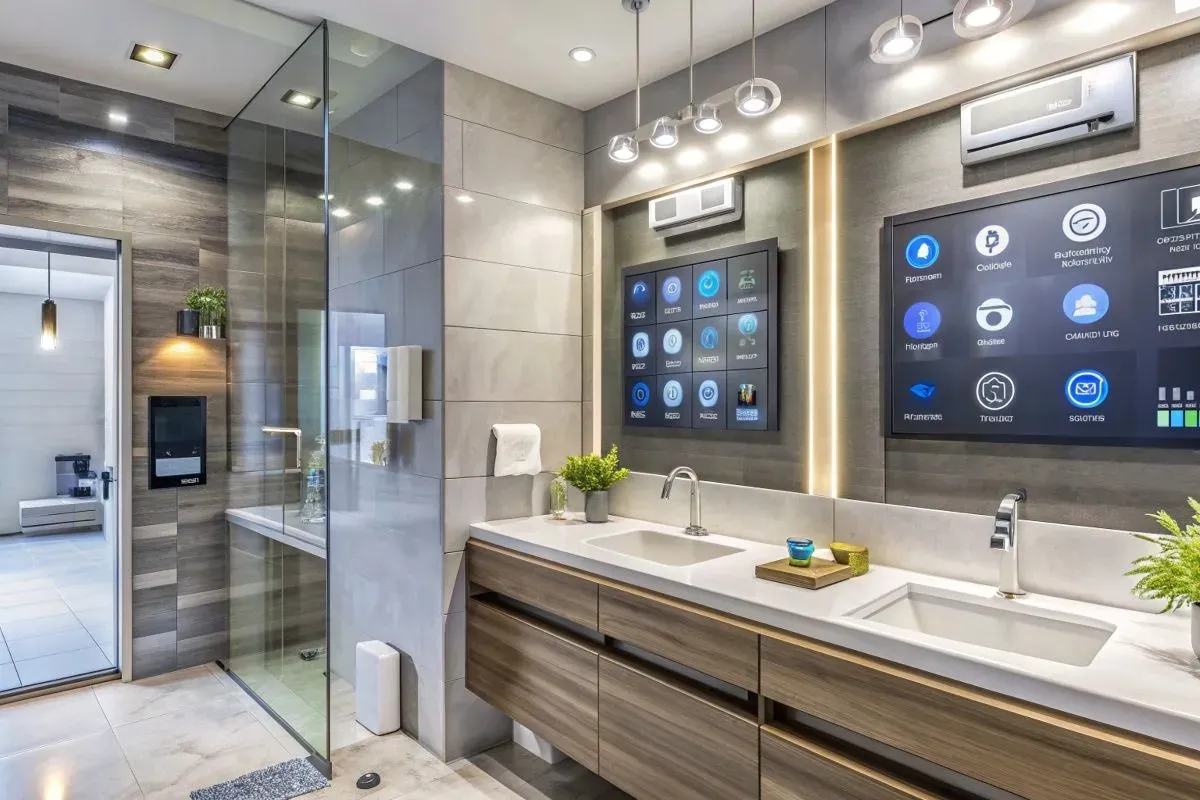
Improved lighting is inexpensive relative to its impact. Layered lighting (vanity lighting plus overhead) makes a bathroom feel larger, cleaner, and newer, a small investment that consistently punches above its cost.
5. Shower & Tub Updates
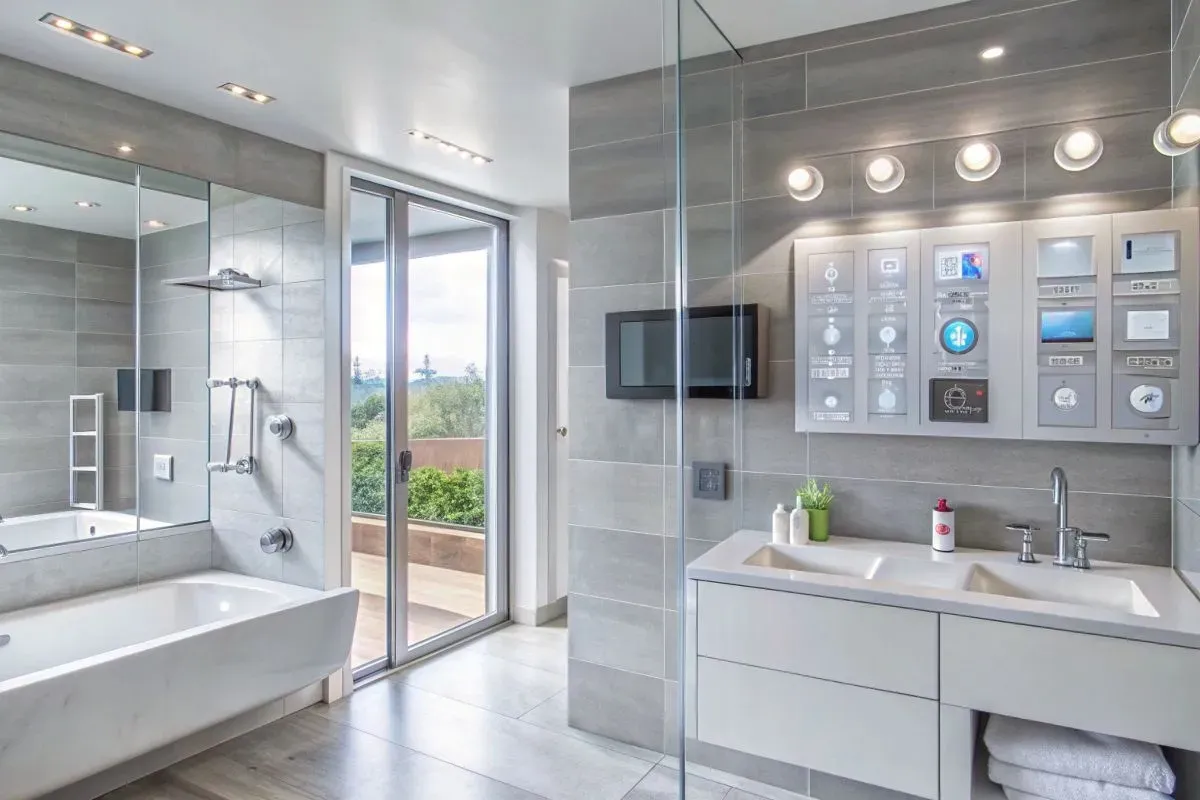
An updated shower enclosure or a well-executed tub-to-shower conversion tends to perform well, especially in secondary bathrooms. Walk-in showers are increasingly requested by buyers of all ages, not just those planning for accessibility.
6. Paint & Finishes
A fresh coat of paint in a neutral, current color is one of the lowest-cost, highest-return updates available, often returning close to its full cost simply by making the space feel clean and updated in photos and in person.
Bathroom Features Buyers Want
Beyond individual upgrades, certain features consistently show up on buyer wish lists and tend to influence offers, even in bathrooms that aren't otherwise fully renovated:
- Double vanities in primary bathrooms
- Walk-in showers with frameless or semi-frameless glass
- Good ventilation (no lingering humidity or moisture smell)
- Neutral tile and paint colors that suit a range of tastes
- Updated, matching fixture finishes throughout
- Adequate lighting, especially around the vanity
What Doesn't Add as Much Value
Not every upgrade returns what homeowners expect. A few categories are worth spending on for your own enjoyment, but shouldn't be counted on to boost resale value dollar-for-dollar:
- Ultra-high-end or custom finishes — beautiful, but they narrow your buyer pool and cost far more per square foot than mid-range materials
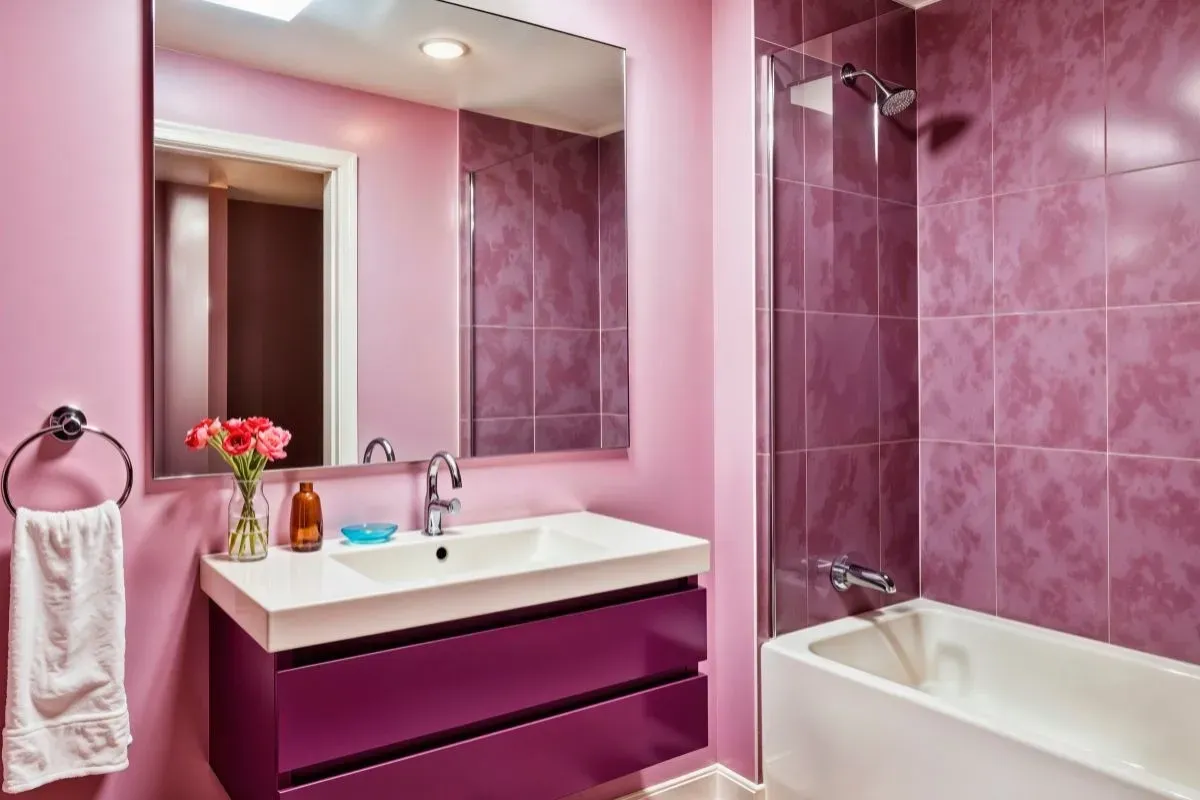
- Highly specific or bold design choices — unusual tile patterns or unconventional layouts can actually slow a sale if buyers can't picture themselves in the space
- Over-improving relative to the home's value — spending well beyond what similar homes in your neighborhood support rarely pays back proportionally
- Skipping waterproofing or permits to save money — this doesn't add value; it creates hidden problems (and disclosure issues) that can hurt resale later
How to Increase Home Value With a Bathroom Remodel (Without Overspending)
The goal isn't to spend the most; it's to spend where it counts. A few principles that consistently hold up:
- Stay mid-range, not luxury, if resale value is the primary goal — this is where ROI percentage tends to peak
- Keep finishes neutral so the space appeals to the widest range of buyers
- Prioritize function over flash — good lighting, ventilation, and storage matter more to buyers than statement features
- Match your spend to your neighborhood — a $60,000 bathroom in a home surrounded by $300,000 houses rarely returns proportionally
- Don't skip the fundamentals — proper waterproofing and permitted plumbing/electrical work protect the value you're trying to add
Is a Bathroom Remodel a Good Investment?
For most homeowners, yes, especially at the mid-range level. Even when a remodel doesn't return 100% of its cost at resale, it often pays off in ways the percentage doesn't fully capture: selling faster, avoiding price negotiations over a dated bathroom, and simply enjoying the upgraded space for as long as you live there. If you're planning to sell within a couple of years, a conservative, neutral, mid-range remodel is usually the safer bet than a luxury one.
Conclusion
The upgrades that add the most bathroom remodel value tend to be the practical ones: fixtures, lighting, a new vanity, fresh tile, and paint, not the most expensive ones. Mid-range remodels consistently outperform luxury remodels on a percentage-return basis, largely because neutral, functional updates appeal to a wider pool of buyers. The smartest approach is matching your scope to your home's value and your timeline, not chasing the most dramatic transformation.
Key Takeaways
- Mid-range bathroom remodels typically return 65–80% of their cost at resale; luxury remodels often return less (36–55%).
- Small, functional upgrades (fixtures, lighting, vanity, paint) often have the highest percentage ROI of any bathroom improvement.
- Neutral finishes and layouts appeal to more buyers and tend to perform better than bold, highly personalized choices.
- Skipping waterproofing or permits to cut costs can undermine the value a remodel is meant to add.
- If resale is the priority, a well-executed mid-range remodel usually beats a high-end one on return per dollar spent.
FAQs
What adds the most value in a bathroom remodel?
Updated fixtures, a new vanity, fresh tile, improved lighting, and a modern shower or tub tend to add the most value relative to cost. These functional, neutral upgrades consistently outperform high-end custom finishes on a percentage-return basis.
What is the average ROI on a bathroom remodel?
Mid-range bathroom remodels typically return around 65–80% of their cost at resale, according to industry Cost vs. Value data. Minor cosmetic updates can return even more proportionally, while high-end luxury remodels usually return less, in the 36–55% range.
Do bathroom upgrades increase home value?
Yes. A well-executed, neutral bathroom remodel is one of the more reliable ways to increase home value, particularly compared to purely cosmetic rooms. Bathrooms rank just behind kitchens for interior renovation ROI.
Is it better to do a full bathroom remodel or smaller upgrades for resale?
For resale specifically, smaller, targeted upgrades (fixtures, vanity, paint, lighting) often return a higher percentage of their cost than a full gut renovation. A full remodel makes more sense if you're also planning to enjoy the space yourself for several years.
What bathroom features do home buyers want most?
Buyers consistently look for double vanities, walk-in showers, good lighting, proper ventilation, and neutral, cohesive finishes. These features tend to influence buyer impressions more than luxury add-ons like heated floors or freestanding tubs.